Regensburg

The magnificent small cities (or big towns) of Regensburg and Bamberg are unspoiled bookends to the tattered, bombed-out city of Nuremberg, though even the cities that were smashed in the allied vendetta are fabulously restored today. This part of Germany has an ancient, Italian influence. All of Germany has a more recent Italian influence in the form of pizza, spaghetti, and gelato. Perhaps Germany has taught Italy how to build a motorcar that works (note the rise of Fiat) while Italy has taught Germans something about food, but only the easy stuff. In fairness, the Germans can do things with mushrooms that are worthy of a closer look. But I digress wildly and may leave an unintended impression of entendre doubled.

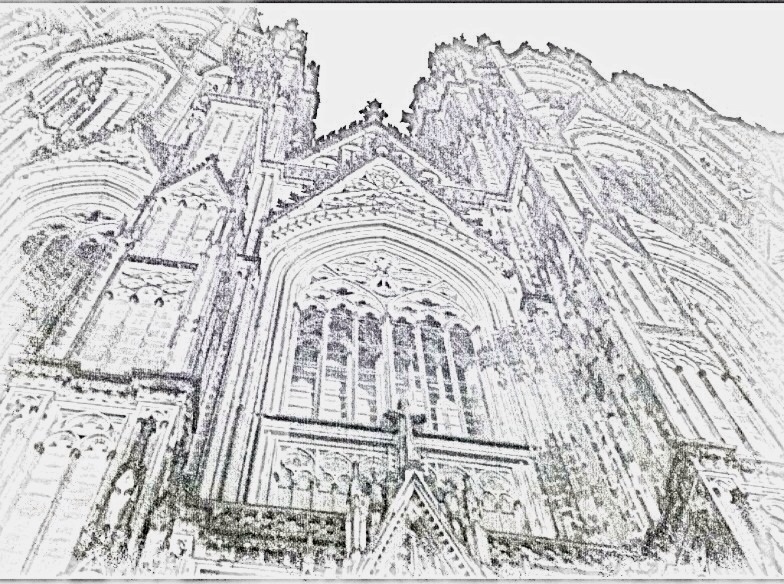
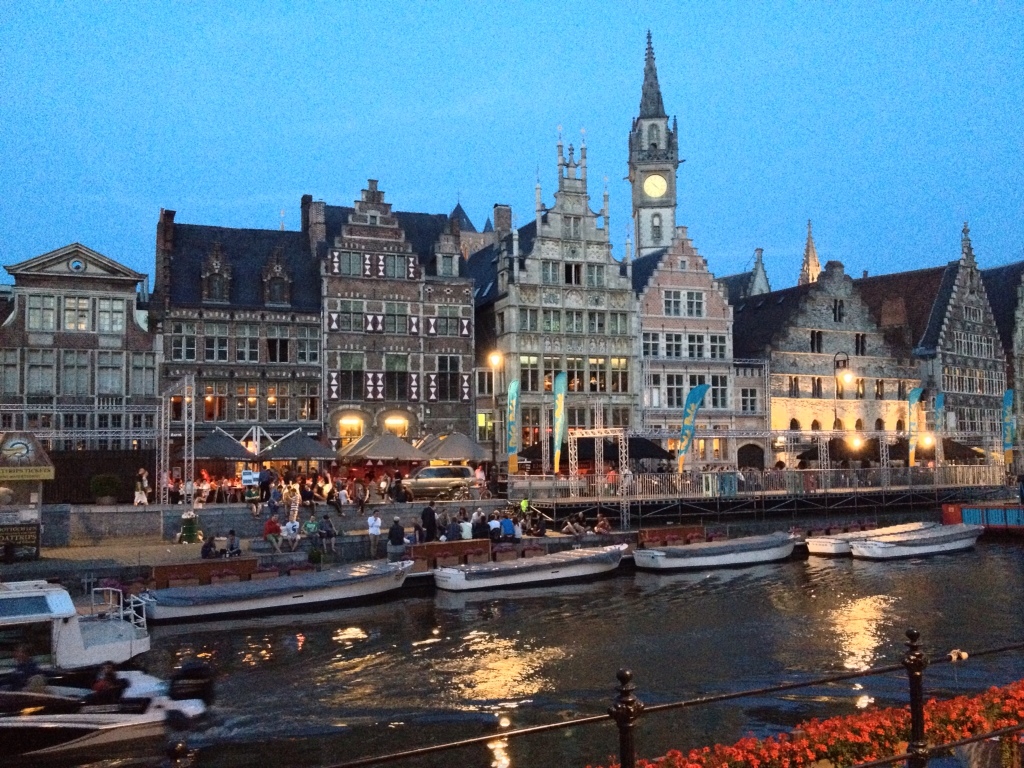
Regensberg 798Regensburg (ominously pronounced “Reagan” as in Ronald) dates back to the days of Julius Caesar. The architecture has a decidedly Italian flavor. Most great buildings boast some form of tower, illustrative of the owner’s wealth; there are lots of balconies; the building colors are muted and tasteful (pre-Berlusconi Italy). A mural of David and Goliath (both fully clothed—colder climate than Florence, apparenly) is a bit cartoonish with the playful touch of Goliath resting an arm on a window cornice.

This is the first city we visited that had serious flooding two months ago. The lingering effects are hard to spot. A stone bridge completed around 1300 was partially submerged in the floods, but it is undiminished.
Regensberg 963

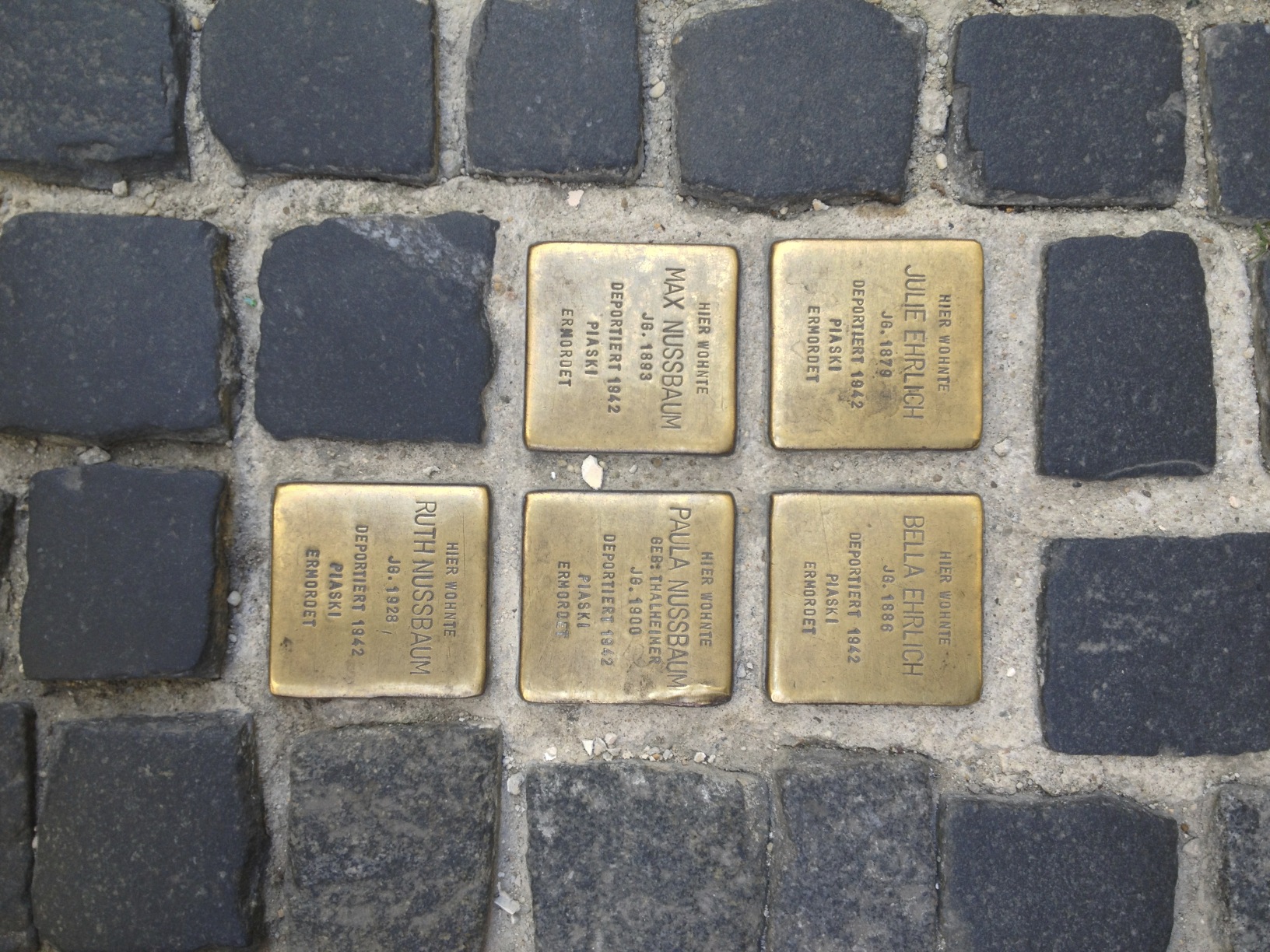
Our Australian guide pointed out some brass “stumbling stones” set into the street, replacing cobbles of the same size and shape. Each contains the name of a person who lived at the adjacent address and was murdered by the Nazis. The name “stumbling” does not indicate some intention to trip and kill elderly tourists in some ill-conceived act of pointless revenge, but in the more figurative sense of “stumbling upon” as a perpetual reminder of injustice. These are found in many Bavarian towns and are being set by citizens even today. This well-intentioned paving is irreconcileable with the adage about “the road to hell.”

Beer service at the café where our busses intended to rendezvous was regrettably slow. Chisti and I were forced to chug 12 ounces in 45 seconds, which we are conditioned to do, but this will cost the otherwise perfect town a half star—a sad day in northern Bavaria.

Life on Odin Long Ship

It rained after our return from Nuremberg, which we all hoped would pull the temps a safer distance from the three digit [non-metric] range. The English and Canadians accept the American insistence on Fahrenheit as if we were the keepers of the impractical past. The guides have a sweet way of poking fun at us by giving their first measurement of cathedral spire hight, city wall length, or distance from our ship in meters, then offer a polite conversion to feet or miles, which always earns a good natured titter. I recall that in Bruges, a handsome college student tour guide asked before starting his canal boat whether any wanted French translations (a few hands), Dutch translations (a few hands), and then “Anyone need English,” to the laughter of all but we befuddled Americans. The joke, of course, was that his questions had been asked in English and everyone aboard could accommodate it. Americans seldom notice this, or think it is just natural. To those who might find my comments too pointed, I am among the mono-linguistic. I offer the story in admiration of my multilingual, young, Chinese-American friends.

VikingOdin_Rhine

Odin from Water’s Edge

The Odin is called a “long ship,” and a walk from the observation deck to our cabin makes explanation of that name unnecessary. It is 135 meters long and 11.5 meters wide. It was specifically designed for the German canal locks that handle barges and tour ships of exactly this width. The ships have bumpers, and we are startled at their first use as the poor captain could hardly swish this colossal phallus into a stone-sided sheath without a groan here and there.

The proportions are fine, length and width, but it is the ship’s height that has proved most disappointing. It is unsafe for a man taller than one meter (three feet+) to be enjoying the upper deck erect (standing up) for fear of a concussion from a passing bridge. The captain’s wheel house is mounted on hydraulic lifts that dodge the obstructions like a whack-a-mole target. For many days, including this one, the sun deck is closed as drinking and diving (ducking) are not recommended. On a normal cruise, this would be less noticeable—the ship would travel while we sleep and be parked at a river port during the day and those who wanted to use the top deck could safely do so. Our ship must travel when it can.

Ah, the bridges! The Rhine, Main, Main-Danube Canal, and Danube river are criss-crossed by countless bridges. Some are several hundred years old, others are stunningly modern. They share one thing in common, they are all in excellent repair. In fact, the infrastructure in this swathe of Germany is as tidy as a bidet-using Frenchman’s bottom. Not that I am saying that Germans are anal, butt…

Along the rivers, after the mountain castles, riverside hamlets, vineyards, forests, and beaches, there are many industrial sites. Some have large cranes that unload lumber or manufactured goods. The yards are kept in immaculate condition. Roadside vegetation, farmland, cottage yards are all trimmed as carefully as a pole-dancer’s pubes. Where do these people find time to consume beer?

In the parts of Germany we visited, all utilities are underground and none of the streets shows any sign of patchwork from an ill-timed service drop. (In San Francisco, a repaved street has a half-life of 60 days before some contractor with a backhoe and planning myopia digs a trench through $750K of asphalt and then repairs same with $1500 worth of semi-packed gravel and tar.)

Glenn on deck

Glenn on Deck

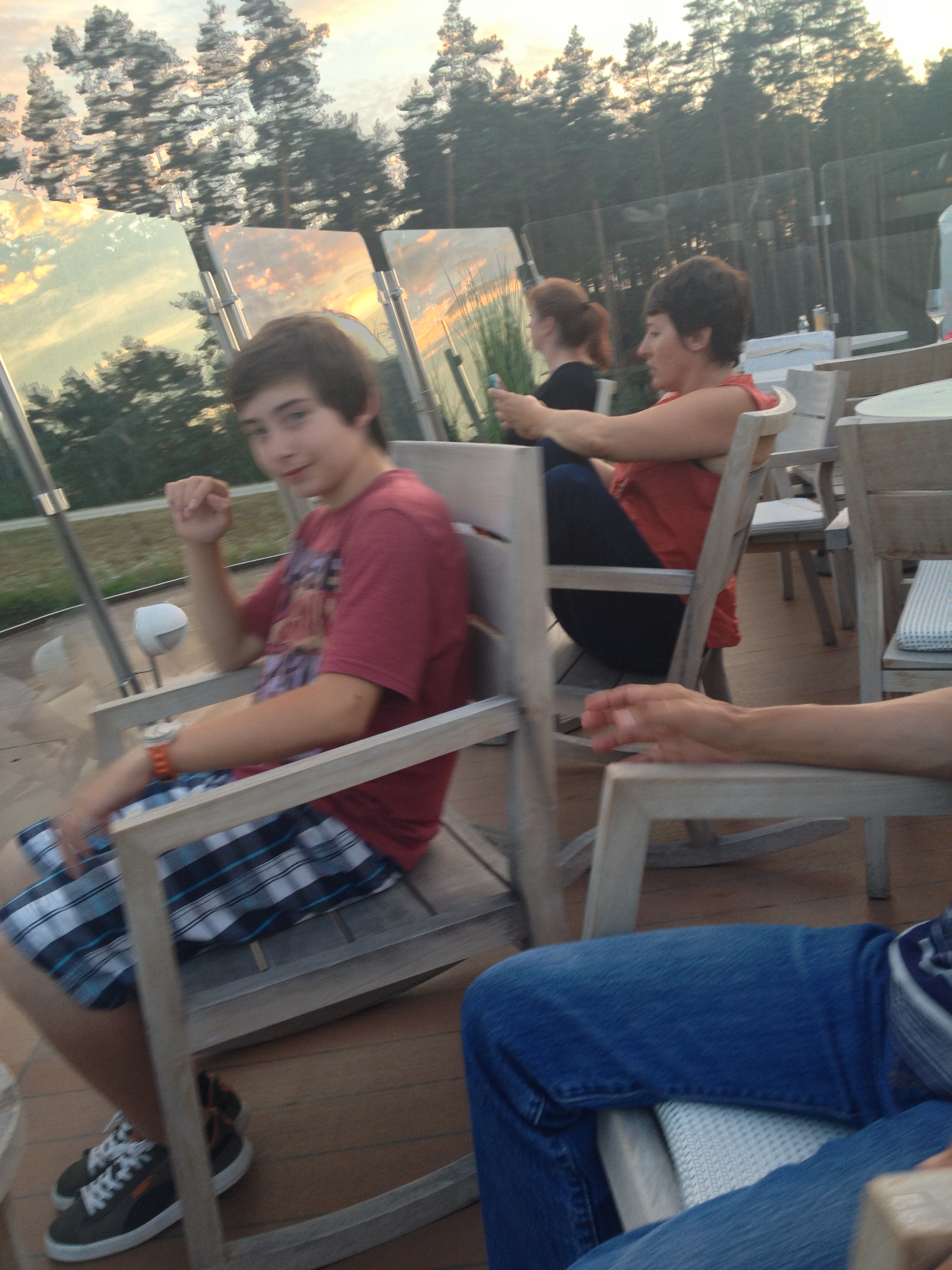
It is all quite scary to see California and Detroit fall so far behind, but that’s nothing to the fact that Glenn (the before-mentioned 13-year-old whizkid) beat me at backgammon immediately after I taught him the game. There’s more. His mother, upon learning of this feat, intent on imparting manners to her child, suggests, “Glenn, you should thank Richard for teaching you the game.”

He replies, “He didn’t teach me anything.” Ouch! And how could I? Still, he’s really a cool kid and he has added a lot of enjoyment to my trip.

Judgement on Nuremberg

The bus ride was longer still, which should have been expected, and the program director’s humiliation has become so palpable that most guests feel more pity than anger. Obviously, the roadway solution will not hold. The cruise line is eating the cost of the busses and enduring the publicity trauma of one failed plan after another. The director has conceded that at least one city on our itinerary must go and management has chosen to scrap Bratislava. It must frost the Slovakians that they take the lost tourist revenue to accommodate the petulant demands of well-paid canal workers in Germany. We will use that day to make time on the river…tomorrow. Today, we pass judgement on Nuremberg.

Dick, Rod, Robin

Nuremberg Castle

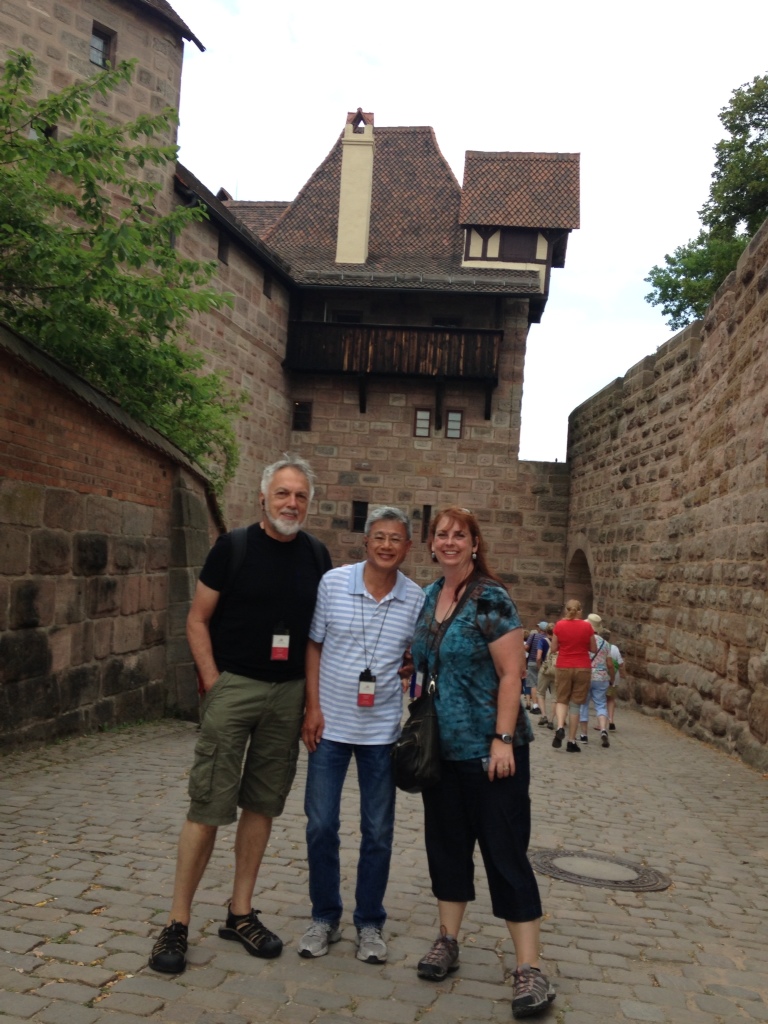
If roses are the way for a husband to say, “I’m sorry,” Nuremberg is Germany’s big bouquet of roses. The city’s motto might be, “We fucked up.” So it seemed darkly poetic, though not in the tradition of Schiller or Goethe, that we stopped by Hitler’s intended rally room with three busloads of allied-speaking tourists fully loaded to take a pee break.

The national apology is everywhere, but Nuremberg is a shrine to the guilt of history. It feels genuine and admirable. Children are taught the raw facts of the Second World War, and oh yeah, the first was not such a great idea either. All Europeans know that the success of the euro is not its rise from 80¢ to $1.31 against the dollar, but the realization of peace on the continent. The irony of Germany’s dominance in the economic union is that the country always had it in its hardworking, rule-obeying, sausage-eating spirit to win the peace, but war works on the national psyche like a gambling addiction in Las Vegas—don’t quit till you lose.

I really love Germany. It is a dieting vegetarian’s paradise because there’s nearly nothing to eat. The expression “He’s a meat and potatoes kind of guy,” has no meaning here—who isn’t? But then there is the beer, which is more effective than slathering cheese onto your abdomen…and more fun, depending upon the stomach and purpose, I guess.

It does make me a little uneasy to see teenagers waiting for traffic-light permission to cross a quiet, cobblestone street hardly three meters wide. I find myself reflexively glancing about for a gun tower. Did all the jaywalkers flee to Amsterdam? Of course, in the Netherlands cars are no challenge; the real risk is getting a bicycle handlebar up your ass. Ouch.

Bamberg

The bus journey from the docked ship is nearing two hours, but Bamberg challenges Bruges for the “cool and charming” award, so most aboard accept the inconvenience. Our guide is an attractive, young, female historian with an accent that only adds clarity to her superb mastery of English. Today five of us traveled together, leaving Robin, who was feeling the sort of gastrointestinal challenge that makes the thought of long lines at a women’s restroom unattractive, on the good ship Water Closet. I have to make that remark as she, upon learning that I am chronicling our journey herein, cleverly quipped that their family is “blog fodder.” But as we are quite pleased to have their company, I intend to deny her further justification.

Bamberg

Town Hall on Island

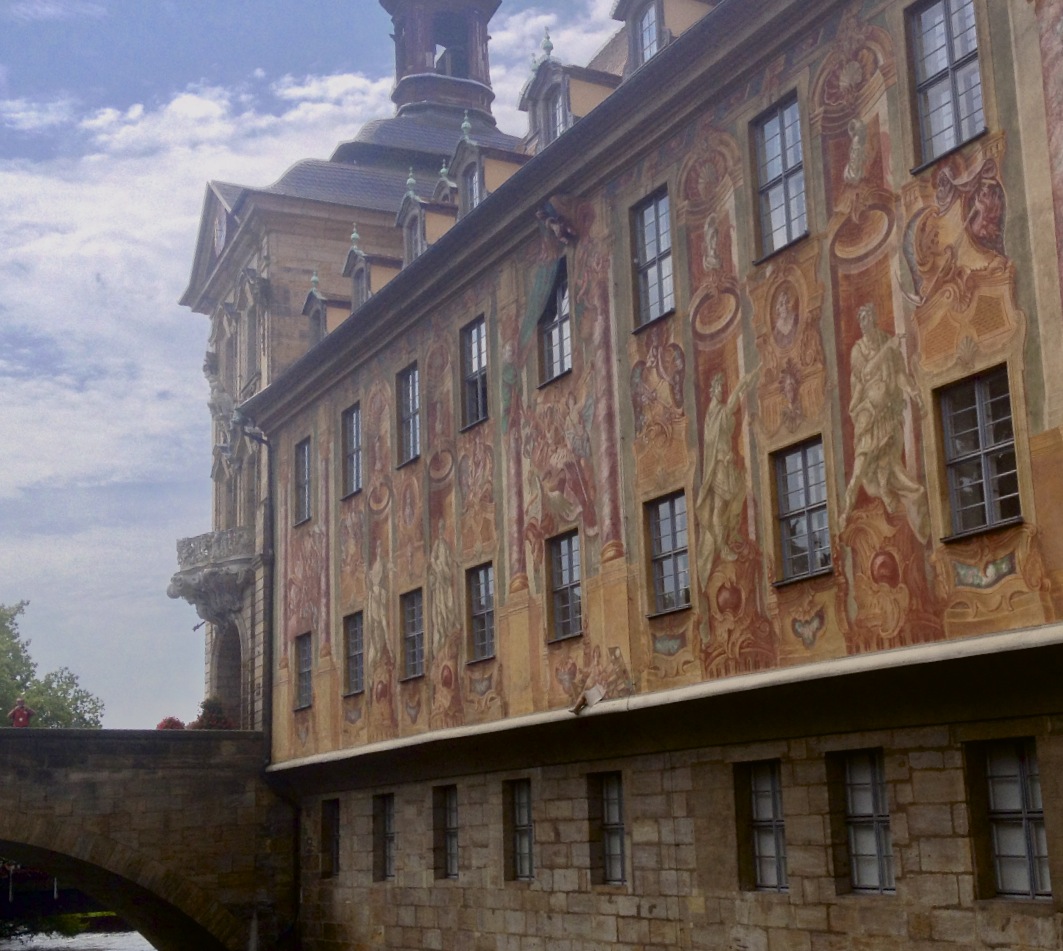
Our group agrees that the town hall is the most charming of the many marvelous sites. It is built in the middle of the river with a bridge to either side connected through an arched opening in the middle of the building. The residing bishop owned enough property to forbid any reasonable location within the town, so the people found this clever solution—no one owned the river at that time, a bishopric (word association employed here) oversight. The exterior walls are painted with scenes of…I forget, but it is really nice.

In Bamberg we learned that an early accident revealed that if one has a fire in the hops storage room before brewing, it imparts a flavor to the beer. I agree. They call this neither “light” or “dark,” but “hell,” which confirms that the word means the same in both German and English. What remains unexplained is why after learning the effect of the process, it was ever repeated. Perhaps it is only our good fortune that never in recorded German history have stored hops been trampled by urinating sheep.

After dinner on board the ship, I introduced the group to a five-player game of “Oh Hell,” Christi had chosen to sit it out. I disclose just enough hints of strategy to give the illusion of fairness without risking a loss. Mike smells a rat (or well-watered ewe), but Glenn is pleased to be included in something more than observing adults gulping countless liters of beer. This strategy will prove feckless against Glenn in a couple of days when playing a different game.

Würzburg

The hammer of socialism descended again on our little ship (or big boat) the night before our planned visit to Wurzburg, and the passenger’s optimism is sickled o’er by the pale cast of thought that the concerns of the undeserving will slither behind us trying to swallow the cheerfulness of privileged convenience that Viking River Cruises promise. Each day the strike puts our bus trips an additional 30 minutes from our targeted tourist spot. The oppressed workers of the world, who are required to put down their poker decks and turn a valve or two, have demanded pay in keeping with the value of their efforts and talent, which one might have presumed could save the government substantially. We proceed, but are hobbled. Each day we will take a bus to the city we intended to see and return to a stalled ship. Each night, the workers allow a few dozen ships pass several locks, but gawking delayed is gawking denied.

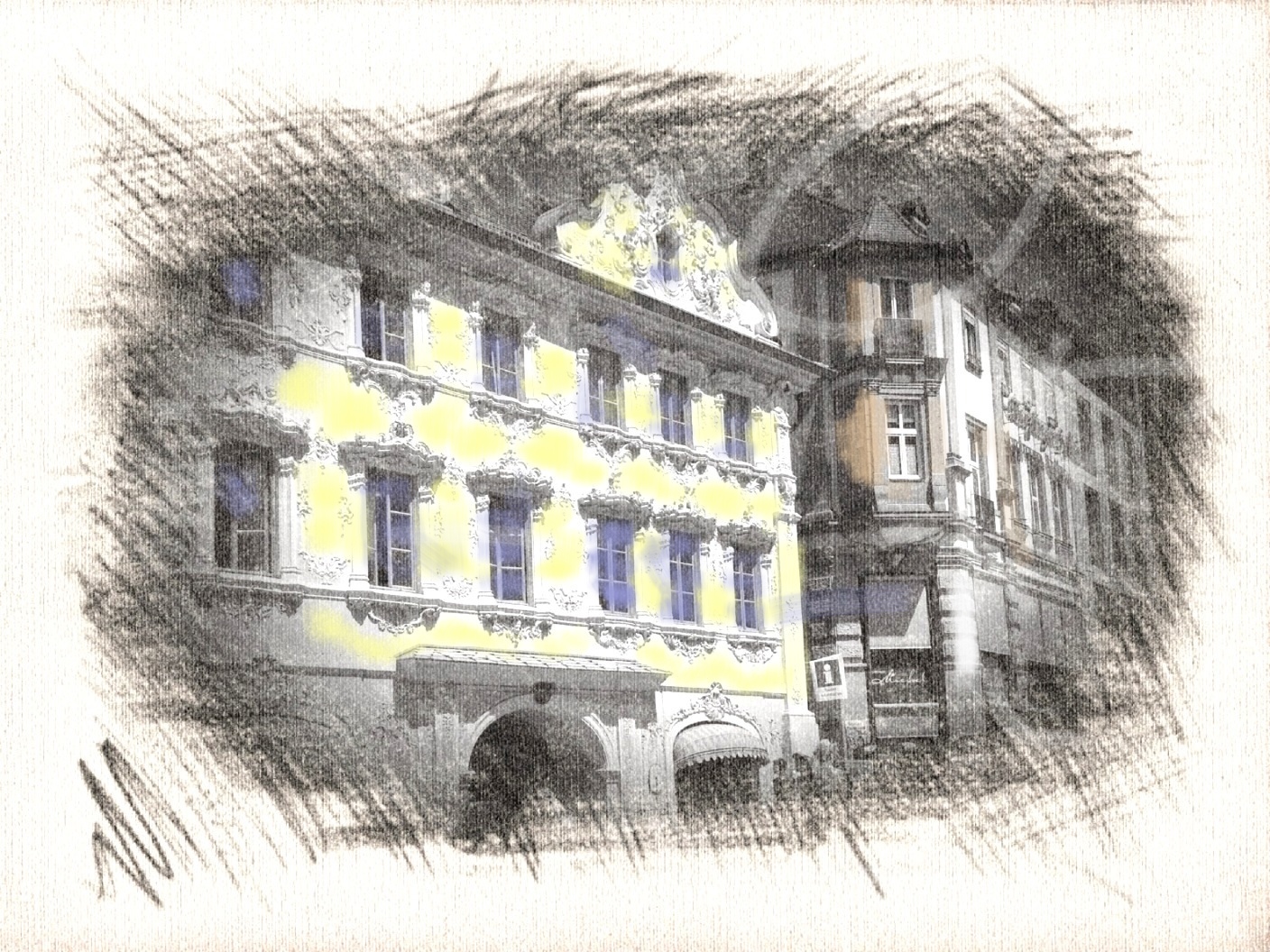
If this is the würzburg, I’d like to see the bestburg. These towns are in Bavaria, which remains majority Catholic, despite Friar Luther’s groundless complaints about the pervasive influence of money in the execution of God’s will. (I bet today’s Congress would really put his frock in a knot.) Our first stop was the Bishop’s palace—every member of the high clergy should live so grand. I mean, what better illustration of the promises of a perpetual, ecstatic afterlife than to recreate it here (within the boundaries of human toil) for the pious to demonstrate.

Würzburg lunch

View of Square from Restaurant

Rod and I were in a different group from our dinner buddies (something I will rectify tomorrow), so shortly after the guided tour we separately wandered around for lunch and shopping. Then we rode our two-steps-forward-one step-back bus to the boat.

At dinner, I am asked to join a duplicate bridge game. I accept, which turns out to be an act of near treason. The alternate entertainment is a trivia game with a champagne prize. When I reconnect with my dinner mates, they ask me several questions that they missed and I foolishly answer them correctly (by chance they are 50’s history) creating the lament that as a group we would have won decisively. Yeah well, bridge did not go all that great either.

Miltenberg or Milten-burro-berg

Legend has it that Milten was a Jewish comic with a propensity for cross dressing and stumbling along the cobbled streets of this hillside town, avoiding the horse droppings that present a peculiar hazard to size 9, spiked heels. The good people laughed, and he loved it. There’s a rumor about him and…but we are not maintaining this chronicle to give spine to idle gossip.

This story might have lived a longer life were it not for a 13-year old skeptical child with an iPhone and Wikipedia. My new companions are churlish about my squandered credibility, but none has given a more colorful or more accurate (the latter the lesser challenge) account of the city’s name. Miltenberg is an adorable place. It deserves a good story, but obviously that will now wait for another day.

Brian and Doreen

Cave Room Beer

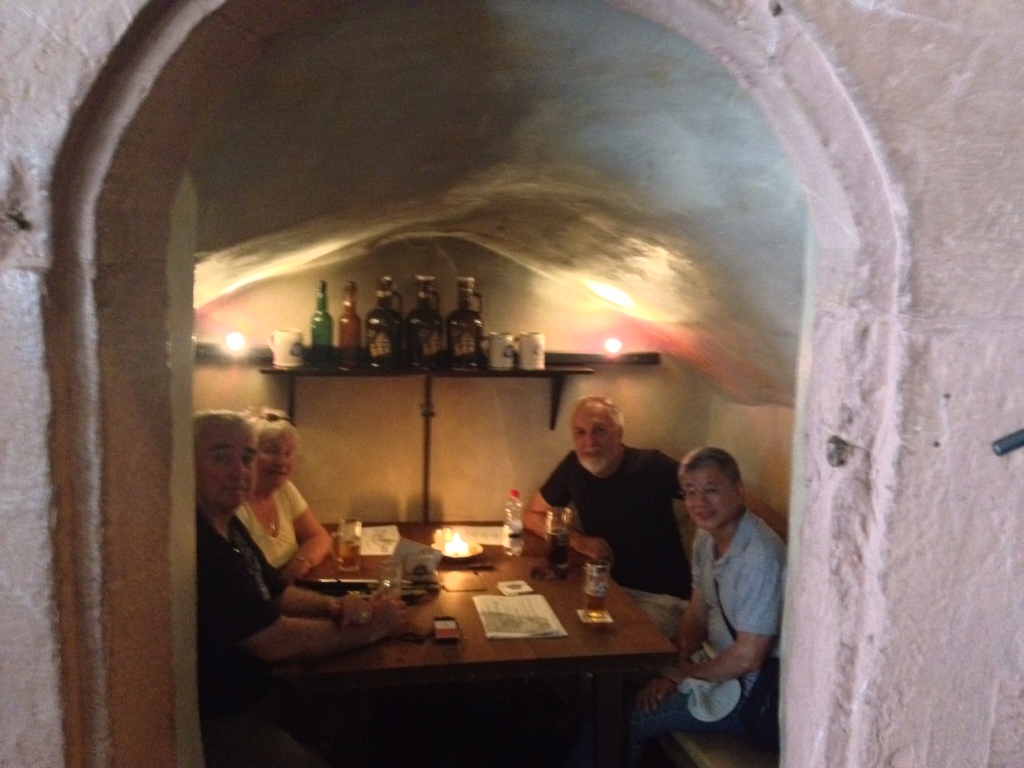
We shared a round of local beer with Doreen and Brian, a delightful couple from Alberta, Canada who doubtless would have embraced the drag queen mythology if my skills of invention had matured more quickly. (Others may point out that maturity would keep such stories from seeing the warmth of a cerebral cortex, but they missed the point of starting in Amsterdam.) Our intimate little cave-room is charming but hot. Nevertheless, we remained ensconced while Brian, inspired by the local claim that G,I. Elvis Presley once had a drink (and many sausages, I bet) here, gave us factoids about “The King” that only a serious fanatic could compile and recite without pauses of recollection longer than manly gulps of dark brew demanded by this weather.

The strike is on…sort of. It is a work slowdown, so we lag behind our scheduled progress. Our ship could not reach Miltenberg, so we were bussed ahead for the daily tour, the bus return to be foreshortened by the ship’s modest progress, but as the locks have queues, the ship was late, and we were stranded on a hot afternoon at riverside. Rod and I made the best of it with a stroll through another local town, twice, after one delay is compounded by a second. Had we known the total amount of time from the beginning, my beer consumption could have been taken at a civil leisure.

Koblinz

The Marksburg hillside castle was fun, but you can learn more about it from Wikipedia than I could add, except for one queasy detail. The latrine off the dining room is a one-hole-er with an unobstructed drop into the flower garden below. If obsessed with fortifying my homestead from invaders (this particular castle was frequently challenged, but never conquered), a vulnerable southern exposure, if you will forgive the euphemism, would have left me waiting nearly beyond the last minute to insure the briefest, most efficient drop.

After the tour, we boarded the ship anticipating a relaxing cruise through the prettiest part of the Rhine Valley, but our idyll was nearly spoiled when we learned that the lock operators were threatening to strike. (You might say that a German union strike is an idyll threat, but I wouldn’t.) Since this cruise passes 67 locks, a ship does not travel far without getting blocked by an uncooperative gate operator. This threatened to change the cruise plans in awkward ways.

Life aboard has been pleasant. So far as we can tell, there are no other gay travelers, but what might have been an uncomfortable isolation just a few years ago, is a non-issue with practically everyone. The few grumpy old bastards are as likely to be dispeptic about a jammed pepper mill at breakfast as the neighboring cabin’s proclivities.

20130728-000142.jpg

We have hooked up with a fun foursome at dinner. Given my adolescent humor and the 13-year-old’s precociousness, he and I are getting on well. There’s a 14-year-old aboard, but the two boys seem to have no interest in knowing each other.

left to right: Christi, Rod, yours truly, Glenn, Robin, Mike

Oh, Do Cologne

When a hapless teen in a dull city of moderate size, I dreamt of seeing the Cologne Cathedral one day, though the chance of doing so seemed as likely as a Riker’s Island lifer’s hope of stopping by a trendy café on Broadway. My dream fulfilled, I can report it is a stunner. The scale is vast, and though St. Peter’s Basilica is larger and there is a taller spire here and there, my young imagination fell short of filling the nave or scaling these pillars. Though allied bombing destroyed everything around the church, it stands stately, with only a thin, persistent layer of soot to injure its unbowed dignity.

Cologne Cathedral

Germany’s Finest Church

On hot days, mad dogs and Englishmen (I am spiritually both) climb the 500+ steps to the bellfry and spire above. The sweaty view from the top may seem unremarkable in the age of the modern high-rise unless you can carry with you enough imagination to see it with a gothic eye. The spires are constructed in massive stone lacework of rosettes that are carved as intricately on the interior, where neither man nor God spent much 14th century time, as on the outer face, visible through ocular magnification, uninvented at the time. Be sure to drop by the belfry at noon to regale the crowd with a slouching rendition of Quasimodo’s thick-tongued quote, “This is Bertha; she deafened me.” It always brings down the house.

Colognials (one has to call them something) are justly proud of their beer, their city, and their church, in about that order. (They also have some fame for perfumed water, hence “eau de Cologne.”)  On Friday night we took a beer tour, under the mistaken impression that it was going to be a educational experience where we would see how beer is brewed, knowing already, from youthful experience, how it is consumed. It was instead a pub crawl, though crawl connotes a leisurely pace and vigorous consumption. Ours was a vigorous pace of modest consumption. Our guide used a series of modestly unamusing anecdotes to disguise the tediously dry moments between a few ounces of brew before we rushed off to the next hofbrau. I estimate that the night cost about $8 an ounce for the samples with little variety, but my cheerful ship companions, who were eager to meet each other, made the experience a bargain.

The enthusiasm of the locals would make one think that German Pope Batschitzburger had put back on the red slippers. They spill in great merriment into myriad sidewalk serving tables. My introduction to Germany in this classical city portends great things for the rest of the trip, with some unanticipated bumps to come.

Did you know that the German word for highway exit is “ausfahrt”? For miles I thought that the country had the most generous scattering of rest areas in the world, perhaps in consideration of tourist beer consumption.

Earth, Wind, and Mire

They proudly say, “God made heaven and earth, but the Dutch made Holland.”

If this be blasphemy, then the promise of the rainbow has frustrated the old prince of vengeance. (To my many friends who know nothing of the Bible or Noah’s survival of the flood, just ignore that last reference.)

We learned on our stop in Kinderdijk, a museum of water management—wrongly presumed by this author to be a resort of baby lesbians—that the Netherlands had better engineering in the 17th century to protect its cows than does New Orleans today for its jazz musicians.

The wet landscape is adorned with windmills in a sacred appreciation of the past that would make any gay tchotchke-lover weep. One mill is kept in full sail (a “rotating” responsibility, one might say), turning noiselessly for the glory of Holland and the adoration of the euro-toting tourist. The cost is kept down because maintenance is done by volunteers who get to live rent-free in each mill. This is a land of people sensible about more than just prostitution and hashish.

The Dutch have a word for the countries of the world who are constantly shoveling mud out of their kitchens after another unexpected rise of the river which translates roughly to “stupid.” That’s probably unfair to those who live in a tight crevice between steep hillsides separating mountain rains from the deep blue sea, but for people who live below the surface of the north Atlantic, some respect is their due.

Token Resistance

The distance from Antwerp to Amsterdam is just over 100 miles but it takes only 75 minutes, with a stop in Skipold airport, by high-speed rail. We were served a meal and beer (included in the fare).The walk from the station to the boat was directly along the water—about 10 minutes.

Our ship was busy, but the attention, quick and friendly. After unpacking, we set out towards he city, quickly finding ourselves in the red light district. This was promising, as vice follows vice. Nearby, we soon found the neighboring “coffee shops,” gay bars, and Chinatown, which—once beyond the loose women—are important byways of my life. (“Loose” cannot be right, but “tight” is outside probability.)

At the first coffee shop, a no-nonsense barkeep explained the menu on a scale from strong to mild, most expensive to least. These afternoon stops offer a famously Dutch refuge from reality. I chose a middle-of-the-road Lebanese blonde blend, having scrambled in my eagerness the “s”s and “b.”s. I could describe the product as a ball massage with longish fingernails. I mean of course, those rolling ball things that Sharper Image…well, never mind. You either know Amsterdam or you miss the point of this paragraph.

Nightpub

Sister City Bar

This little pick me up, up, and up some more, I sampled at the bar before wandering into the sunlit, busy streets of Amsterdam where smiling faces and laughter assured us that this was the start of something wonderful. We took a long, leisurely stroll along familiar streets and open plazas, called “pleins.” The auspices—the entrails of my eviserated psyche—were promising.

I took special note of the “San Francisco Nightpub,” though it was not open, yet. The Amsterdam residents are wary of Americans, who are typically critical of The Netherlands’ permissiveness, but warm to anyone who can say with a smile, I’m from San Francisco. And who cannot say that with a smile?

Antwerp Rocks

I cannot say enough about Antwerp, which is ironic, given that saying too little has never been a vice. My return visit after 14 years has me wondering whether this is the most changed place on earth or have I forgotten what it was like. Were all the restaurants Italian in the 90s? We’re the guys this handsome?antwerp-opener

The symbol of Antwerp is expressed in a bronze statue of a naked Adonis, running over adoring virgins, holding aloft the severed hand of a freshly slain giant, with the intention of tossing said hand into the sea. How do I know the recent timing of the giant’s death? Well, the sculptor has added the nice touch, a tad gory one might think, of having a stream of blood spurting from a still pressurized wrist vein, though in a breach of verisimilitude the townspeople have substituted water for something more theatrically crimson, doubtless a conceit to decorum in obvious pander to the sidewalk cafés and restaurants overlooking the square containing the 30’ statue.

Having handily vanquished their mythical Goliath, the citizens are free to shop, drink beer, savor chocolates, and maraud the streets with gay and straight abandon—both being great company in my opinion. A favorite vignette of mine happened upon us in the mid afternoon, where Rod and I were enjoying a cold brew in the shade of the cathedral (a juxtaposition that finally gives the church a useful function), when a half-dozen high school boys sat at the next table. They ordered a cocktail, which earned a salty comment from the waiter and left to return with six beers. Bravo Antwerp! The young men drank at a civil pace, shared a few laughs in some form of Flemish tongue, then grabbed their backpacks to wander off in search of maidens or…[insert imagination here, leave me out of it].

Stoned Workers

The sculpture, depicted in the sketch and nestled into a corner of the cathedral’s exterior, is a peculiarly proper homage to the men who labored in the building of the church, instead of a redundant obeisance to dead martyrs or an implausible virgin. And it gave me an irresistible, if pointless, pun.

Ghent, Party Town

Restaurant Row

Days before our arrival, Ghent had held a week-long jazz festival. During our single night, several squares were erecting stages to begin a week of rock venues which will give the students something else to scream about at 5:30 in the morning below the hotel window of some other unsuspecting tourist—not that I am complaining. This is a city of young people, which is not surprising given the large university and cold dark winters.

After Brussels and Bruges, we are beginning to tire of charming canal towns with chatty sidewalk cafés, warm weather, and architecture that yearns for male-dominated, lace-throated capitalism. The restaurants are surprisingly sophisticated by comparison with Bruges, given the youth, but then there are McDonalds and Pizza Huts to break the monotony of sea creatures tossed in a haze of burnt umber with a puree of shaved carrot core infused into their eye sockets. The streets are less crowded, but the prime seats of good restaurants are only available by happening upon a patron unfamiliar with the socialist concept of keeping a table without the brisk consumption of calories and overpriced drinks.

The historic interests are modest by comparison with our previous cities, but Kerry got in the necessary terabytes of raw footage from which he spends days (I imagine) culling a few chance photos meant to humiliate my meager skills—an unfailing accomplishment from a friend who owes me so much for doing so little. We had a leisurely lunch served by a rinestone-in-the-rough waiter with a quick sense of humor and a tolerance of an old American trying to be a smart-ass. I rather liked him, mutuality never being a requirement of my tastes.