Portmeirion

Aside

July 14, Tuesday

The previous night’s rain had cleared by morning. Except for a few scattered clouds, the day was promising, but as we readied ourselves to drive to the seaside town of Portmeirion, there crept in premonitions. Thinking of the long, winding, narrow road in and out of Beddgelert that we would travel twice, I could not shake off parallels to Woody Allen’s fears depicted in Everything You Wanted to Know about Sex as a sperm-trainee preparing to be shot down a pre-moistened urethra to an uncertain fate.

Wales has an answer to William Randolf Hearst’s castle in the artificial village of Portmeirion built on an estuary along the middle coast of the country. The Hearst estate is described as Mediterranean Revival, while Portmeirion is a touch less formal, more playful, and referred to as “Italianate.” It, as fate would have it, was a receptive ovum.

This work of a rich architect, started about five years after San Simeon (Hearst’s castle), was created in part to protect an important estuary from untamed development. It is self-sustaining both by sales of parking/entry fees, by the rental of cottages and rooms, and by the sale of overpriced doodads at the gift shop and poorly prepared food at the 50s-style restaurant-dinner. Come to think of it, the limp fries and dirty water glasses might have been an intentional concession to the the period. Otherwise, the little village made for a thoroughly enjoyable few hours.

Portmeirion has been used by film studios as a set, most notably as the set for the short but popular British series The Prisoner from the late 60s, when it served as “the village” where the title character was held. The series kept the location unidentified until the credits of the last episode, giving the caretakers time to arrange for fee collection when the adoring swarms descended.

I cannot resist this quote from Wikipedia, which car rental agencies could use to prod cheap customers into springing for the GPS option no mater how overpriced:

The village is located in the community of Penrhyndeudraeth, on the estuary of the River Dwyryd, 2 miles (3.2 km) south east of Porthmadog, and 1 mile (1.6 km) from the railway station at Minffordd, which is served by both the narrow gauge Ffestiniog Railway and Arriva Trains Wales (Cambrian Line).
IMG_2626

We returned to Beddgelert without incident. Smiling though we are, it is sad to think that we are unlikely to return to this unusual part of the civilized world. Our three nights in Wales will long standout among the most charming destinations we have had the good fortune of finding.
The Museums

Aside

July 3, Friday

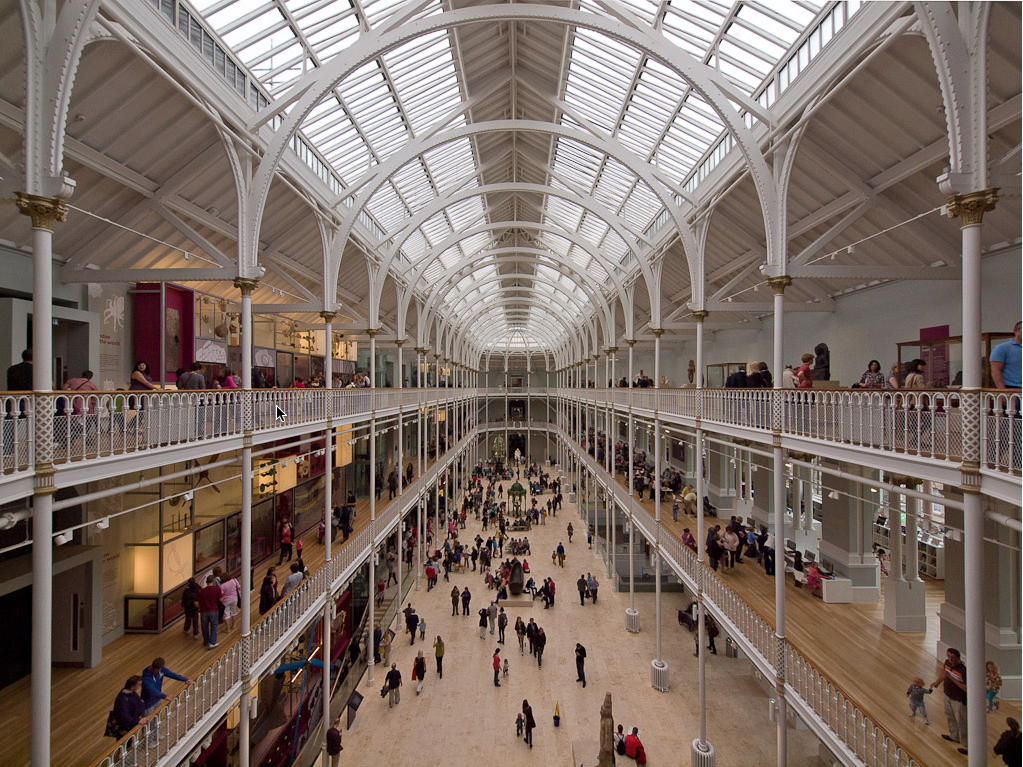
While we did not see these museums all in one day, it makes sense to put the stuff no one cares about in one place so that it can be easily avoided, like sheep shit on a…well, about every meadow, pasture, hillside, hiking trail, and lawn in the northern UK. The pano photo above is of the National Gallery, not to be confused with the National Portrait Gallery not with the National Museum of Scotland. Such inventiveness!

The National Gallery

Free to the public (donation encouraged), The National Gallery is in all ways marvelous. The works from the 1400s and 1500s are far less comprehensive than what one finds in Italy, but those that are here are in significantly better condition. The temperate Scottish climate over a few hundred years is probably the cause. Anyway, here are a few favorites:

IMG_2159

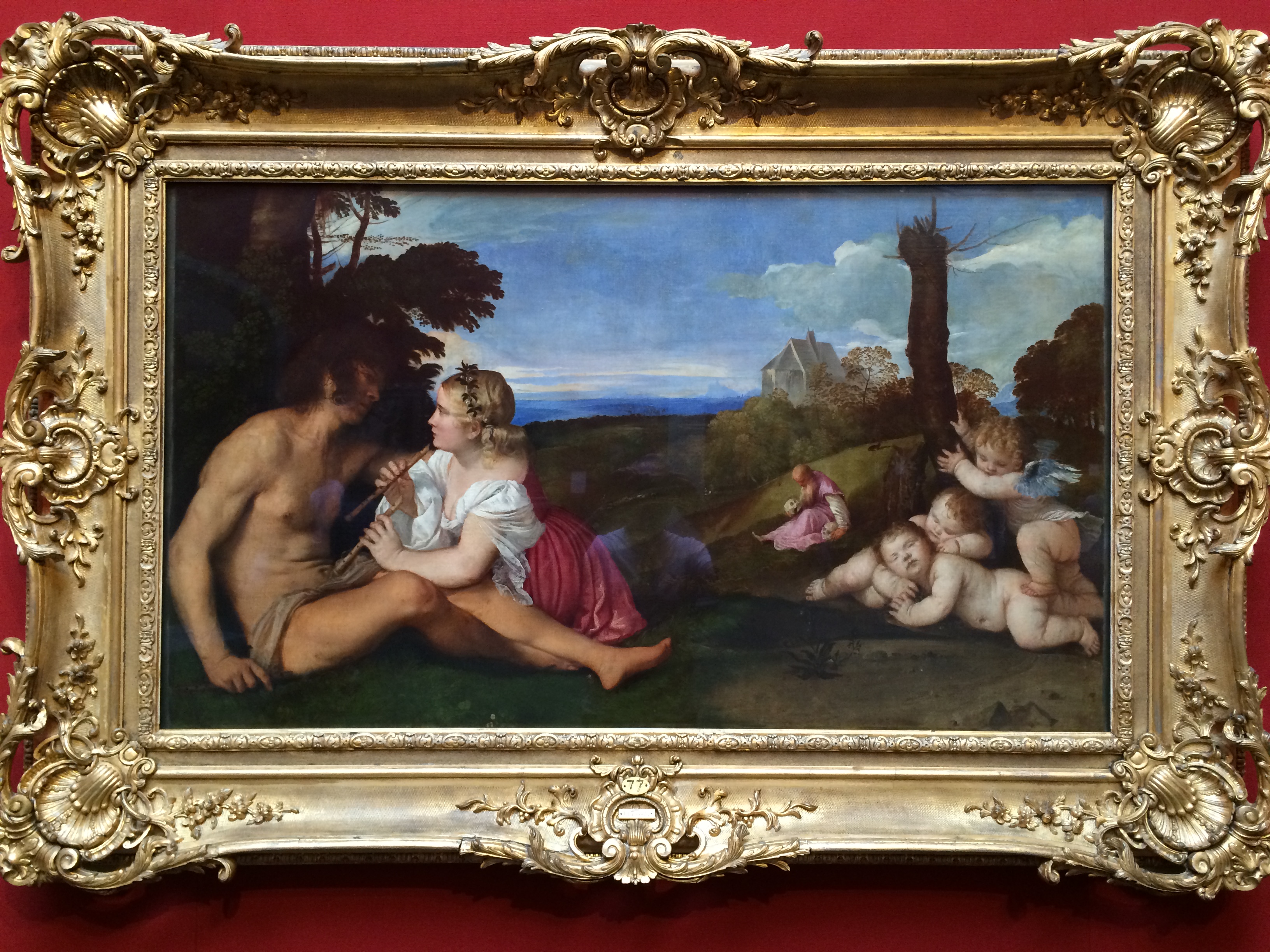
The Three Ages of Man —Titian

This Titian depicts, if one believes the wall card, “The Three Ages of Man.” It was painted in 1513, give or take a year. The first scene of babies climbing over each other foreshadowed the rise of Google, Yahoo, and Facebook and their hiring practices. The winged baby is Cupid, presumably FB. Yahoo is on the bottom.

The second phase, and doubtless the one that caught my attention, is of “young lovers staring ardently into one another’s eyes,” though I see a naked, eager man showing concern that the maiden has been practicing with tiny flutes.

The old man in the background seems to have forgotten from whose head he had removed this skull. Regret, dementia, or both?

IMG_2199

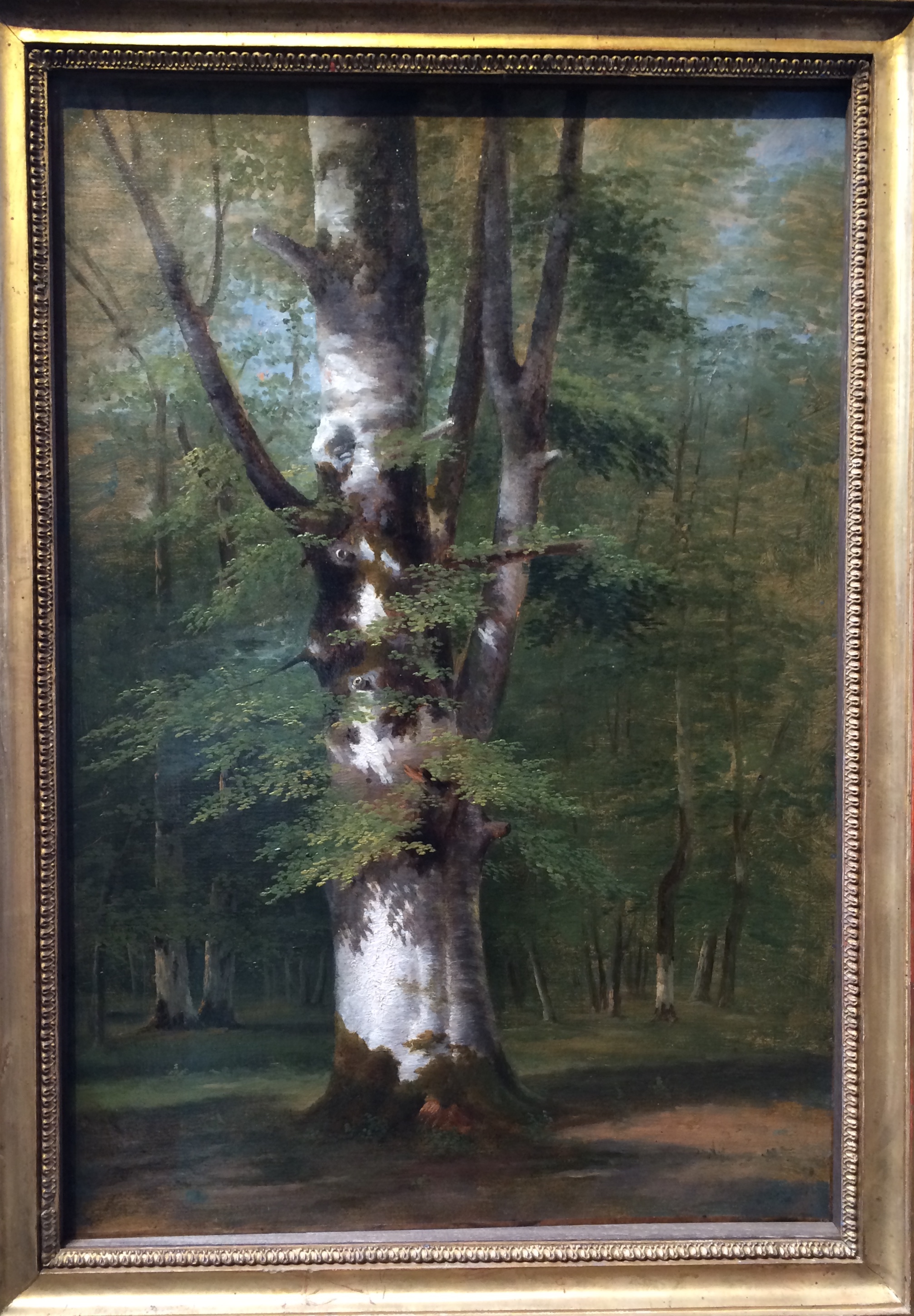
Forest Scene —Achille-Etna Michallon

Landscapes are rarely demanding. Sometimes they offer mystery, often they lack focus. This great white tree simply leaped off the wall at us. It is a commanding painting [click to enlarge]. Normally, I think that a tree with white bark is a birch, but this seems too large to be birch. Perhaps it is (was) sycamore.

The artist did not paint a tree, else he would no more have cut off its canopy than a photographer might crop a dancer’s feet. This is a painting of the space in the forest commanded by the might and success of single member. All competition is vanquished and the lesser trees huddle together at a safe distance. Like high school.

IMG_2215

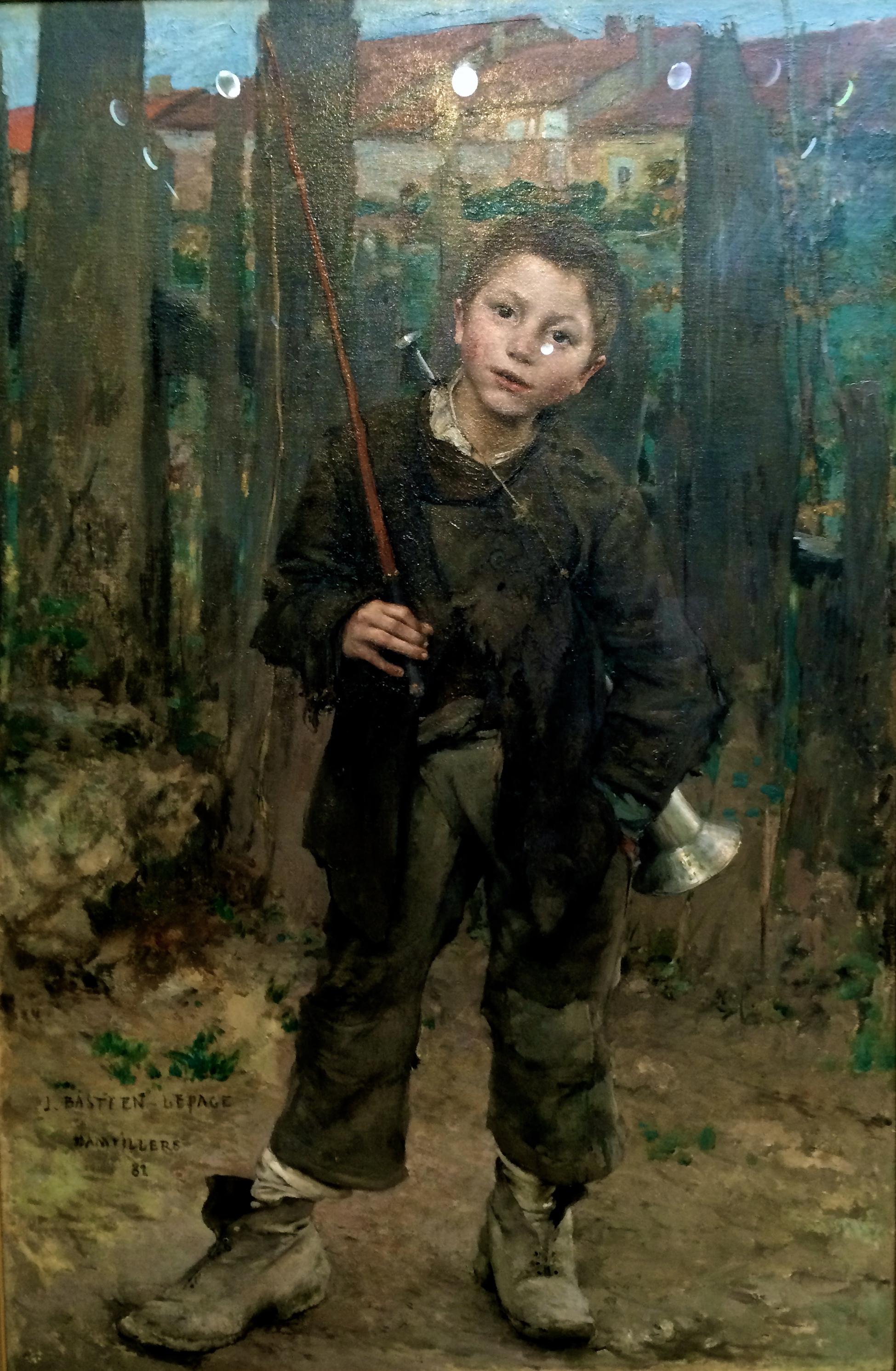
Pas Mèché —Jules Bastien-Lepage

Pas Mèché is the French equivalent of our expression “no way.” The subject is thought to be a barge boy, holding a whip for the horses and a bell to alert the lock masters. These painters of peasant life give us more value than do the portrait artists who painted rich people for commission. When you’ve seen one ego on canvas, you’ve seen them all.

Exactly what the boy is rejecting is left to the observer’s unsatisfied curiosity. He appears alert, confident, and optimistic. Lepage seems to admire his common subjects.

National Portrait Gallery

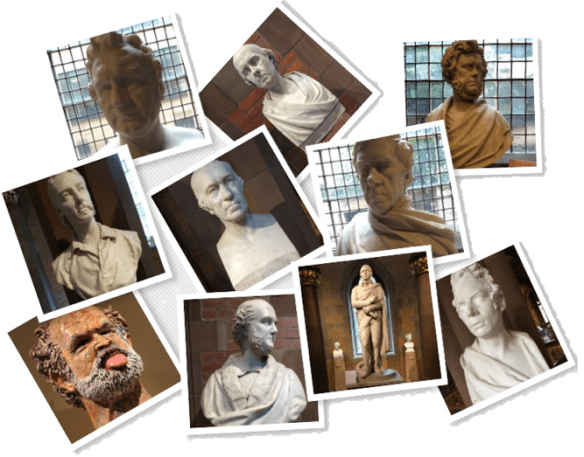
This magnificent museum does not allow photos from its primary galleries—where the paintings are. The building has a grand entrance hall with these busts, acknowledging in order of their appearance: architect, writer [to paraphrase Saturday Night Live, With a name like Cockburn, he has to be good], journalist, novelist, scientist, abolitionist, joke, publisher, poet, and painter. The selection demonstrates the Scots reverence for intellect. My purpose was a somewhat lower. I could not resist a Cockburn joke, like Didn’t he marry Sandy Vagina?

PagesScreenSnapz005

Bryce, Cockburn, Miller, Sevenson, Watt, Brougham, Attitude toward the English, Constable, Burns, Wilke

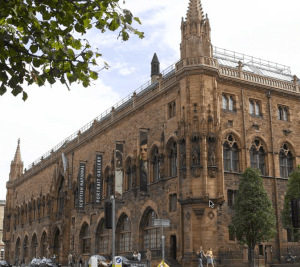
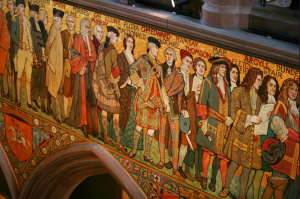
Edinburgh maintains this museum in a condition superior to the day it was built. There are modern touches, such as gift shop and lavatories, but as they were added, no expense was spared to make the new blend in. The love of architecture is ingrained. Everywhere in Edinburgh where the modern world has intruded on the past, great pains have been taken to keep from diminishing the old with the new. The Scots have a respect for open space. Americans treat civic buildings the same way Rod treats empty space on a dinner plate—why do you need a spot to rest your fork?

National Museum of Scotland

We spent little time here because we arrived about 45 minutes before closing. What we saw felt like a museum of natural history or a science museum.

SafariScreenSnapz080

IMG_2253IMG_2251I did manage to get a pano shot of Rod standing next to a totem that must have been 10 meters high.

The character on the right looks like a blind carpenter tried to crucify him.

Roussillon

Aside

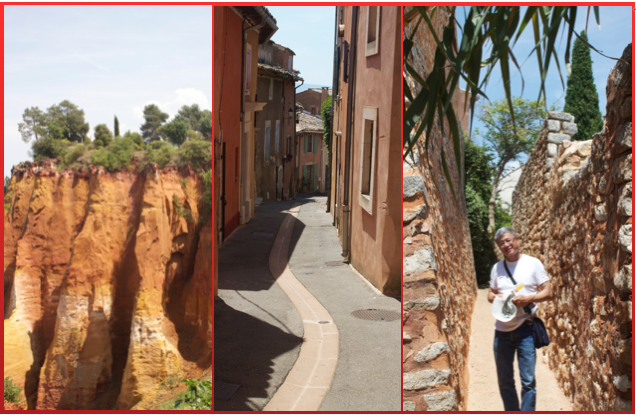
Roussillon 2000There’s a mountain town whose hillside is saturated with iron ore, giving it a variety of color from burnt yellow to reddish brown, called ochre by those who buy paint from art stores. It differs from the beautiful landscape of Sedona, Arizona in one important way—Roussillon is built with exquisite taste.
PagesScreenSnapz003

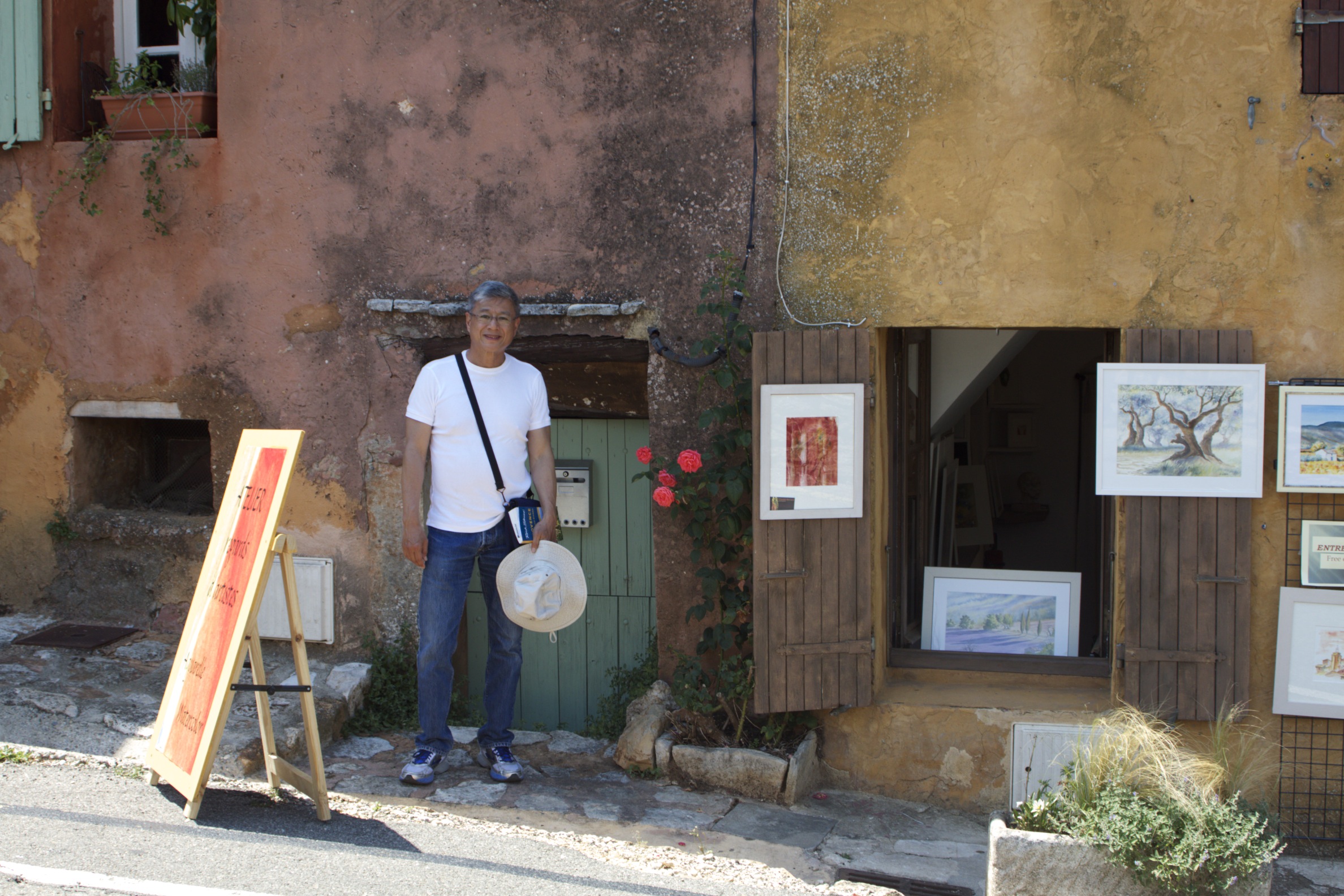
To be in Roussillon without a camera is like being hungry in France between 15:00 and 17:00, which we were. You can get wine and beer, but no food. So drinks it was. Not much else to say about the place. Lots of gawking tourists…not that we had stones to toss. A pleasant stop.

Roussillon 1933


Boat on Seine

Aside

Foolishly, we did not sleep on the plane, but watched an old movie, Godfather III. Lots of people got killed and I think the Pope did it. Bullets were sprayed about like holy water. I digress.

Paris 8We were determined to stay awake until 16:00, so grabbing a boat tour (which was part of our City Pass) seemed like a good plan. Wishful thinking.
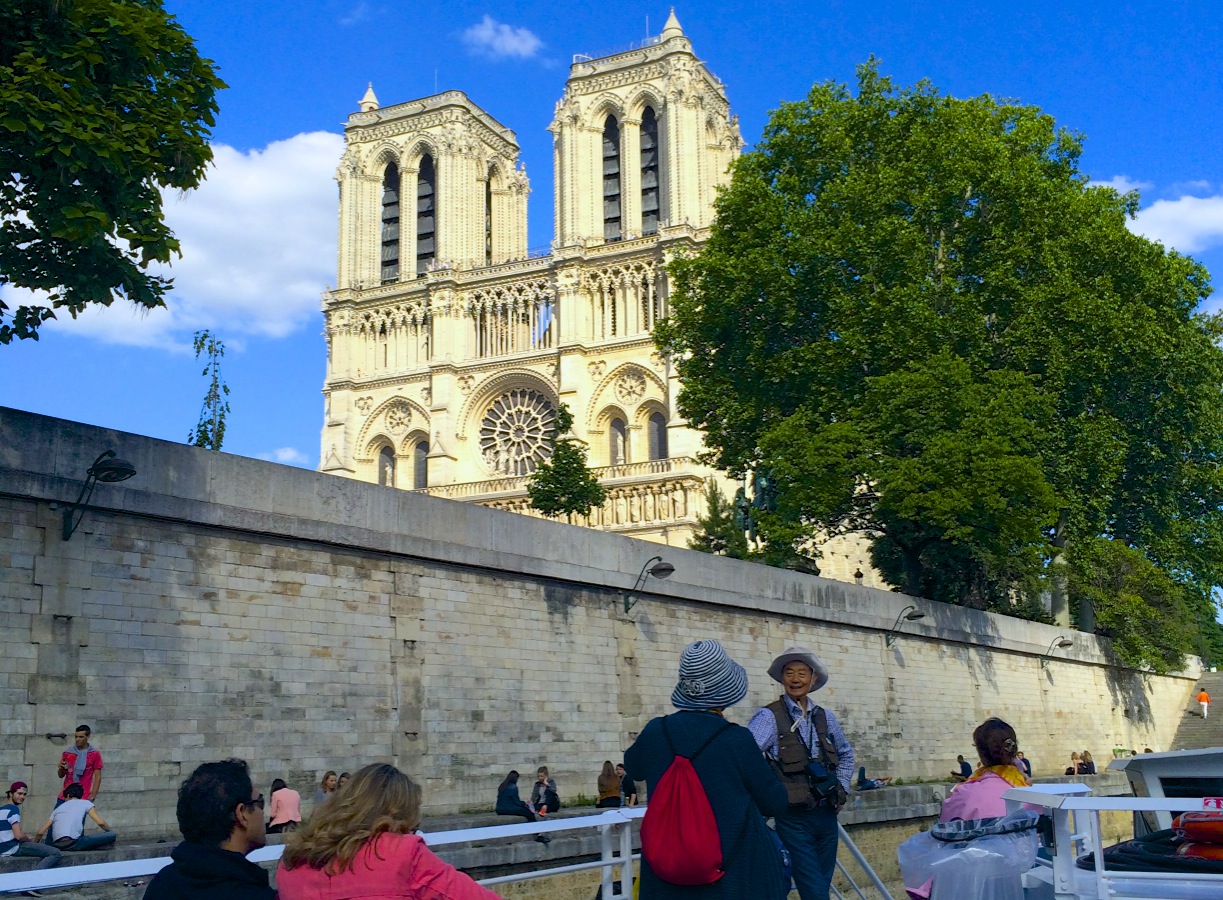
Paris 5As soon as we sat on the boat, I knew I would fall asleep, probably before shoving off. We had fortuitously chosen a vessel soon filled with Chinese tourists. Their method of moving about the boat, with a camera attached to their faces, required using the braille-hip method of getting from starboard to port, which jarred me regularly awake in time to see some of the important sights, like this big stone church.

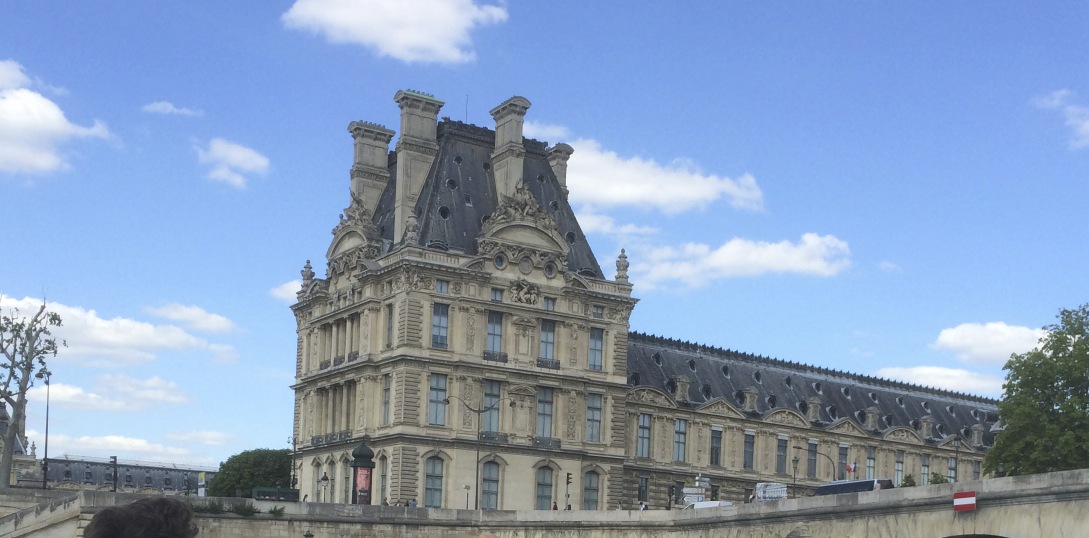
Paris 7The view of Paris from the river is fantastic, lined for miles with high stone walls, topped with the façades of countless palaces, chic hotels, imposing apartment buildings, and chubby tourists in garish pants. (The back end of any of these would diminish the effect substantially.)